House Washing vs. Pressure Washing: What’s Safe for Siding, Stucco, and Brick?
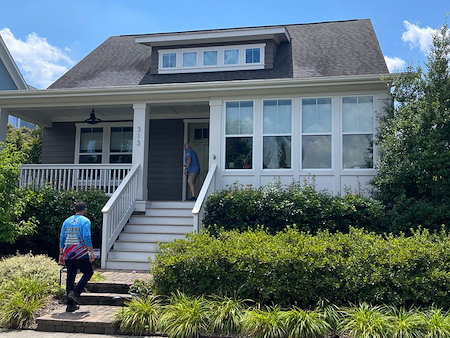
Green algae, black streaks, and red clay splash-back are common across Rock Hill. The big question is how to clean them without harm. Below, we explain the difference between gentle house washing and traditional pressure washing, and what’s safe for each surface on your home. You’ll see why a thoughtful approach keeps curb appeal high and materials protected.
Why Rock Hill Homes Need Gentle Washing
Our warm, humid summers and leafy streets create ideal conditions for organic growth. In Riverwalk along the Catawba, homes get moisture from the river breeze. Neighborhoods like Newport, Herlong, and India Hook also see pollen buildup in spring and shade-driven algae on the north sides of houses. That mix calls for a method that clears staining and growth while protecting paint, sealants, and mortar.
House Washing vs. Pressure Washing: The Core Difference
House washing relies on low pressure and detergent-based cleaning to lift and rinse away growth. Pressure washing uses a higher force to blast soil from tough surfaces like concrete. For delicate exteriors, the safer choice is usually a soft wash that does the cleaning with chemistry first, then a gentle rinse. That’s why many pros treat home exteriors differently from driveways or patios.
What’s Safe For Each Surface On Rock Hill Homes
Vinyl Siding
Vinyl can flex, and seams overlap. A soft wash removes algae and dirt without stressing panels or driving water behind them. High pressure aimed upward can force water under laps and into the wall cavity, which may lead to hidden moisture and warped panels.
Fiber Cement Siding
Painted fiber cement does well with low pressure and a controlled cleaning solution. High pressure can erode the finish, which shortens coating life and can void paint warranties. A soft wash keeps the coating intact and color even.
Painted Wood Siding and Trim
Wood needs the proper care so paint and caulk lines stay sealed. Soft washing helps lift mildew without gouging wood grain or lifting paint. If your home near Ebenezer Park is shaded by oaks, a gentle approach preserves the character of older boards and trim.
Stucco and EIFS
Traditional stucco and synthetic EIFS can crack or scar if blasted. Soft washing allows cleaners to work in textured pores and then rinse clean with low pressure. Aggressive wanding can open hairline cracks and drive water into the system, so a light touch matters here.
Brick, Block, and Mortar
Brick can handle more force than siding, but the joints and face of the brick still need respect. A controlled wash lifts algae, soot, and red clay staining common in Rock Hill. Too much pressure can pit brick faces and weaken mortar, especially on older masonry.
Common Risks Of Too Much Pressure
When you picture a pressure washer, you might think more power equals better results. Not for home exteriors. The real danger is invisible damage that shows up later as peeling paint, musty odors, or loose trim. Here are a few of the most frequent issues:
- Water intrusion behind vinyl, wood, or fiber cement that leads to swelling or mildew
- Etched stucco or scarred brick that can’t be undone
- Blown window seals and lifted caulk lines that let in drafts and moisture
- Streaky, uneven color where the surface was stripped instead of cleaned
How Soft Washing Works Without Giving Surfaces A Hard Time
Soft washing pairs a targeted cleaning solution with low pressure. The solution does the heavy lifting, so the rinse can be gentle. This is helpful for siding and trim because you’re removing algae, mildew, and dirt at the source rather than pushing it around. It also keeps water where it belongs: on the surface, not under it.
What Needs House Washing, And What Can Handle Pressure?
Every home is different, but a simple rule helps: use chemistry and low pressure on the house, and reserve higher pressure for hardscape. Think of it like washing a car versus washing the driveway.
- Best for soft washing: vinyl siding, fiber cement, painted wood, composite trim, soffits, fascia, and stucco/EIFS
- Often OK for controlled pressure: brick foundations, concrete patios and walkways, and some stone, with careful attention to joints and coatings
Local Stains We See Most In Rock Hill
Green algae blooms after summer rainstorms, especially on the shaded sides of homes in tree-lined streets off Celanese Road. Red clay splash-back shows up on the lower courses of brick or around steps. Black mildew finds the damp, low-light areas on stucco and painted trim. A house wash tailored to these conditions clears the surface and helps slow the return.
What To Expect From A Professional Visit
With DownPour Solutions LLC, you get a careful walk-around, a plan for each material, and protection for your plants and fixtures. Technicians pre-wet landscaping and use covers as needed. They apply the right solution for algae and mildew, allow time for it to work, then rinse with low pressure. Windows, lighting, and door hardware get a final check so everything looks uniform.
If your home needs more than the exterior walls, you can explore our broader residential pressure washing services for items like walkways or patios. Pairing the house and the hardscape together is a great way to refresh the whole property before a big weekend, a listing photoshoot, or the holidays.
Timing Your House Wash In Rock Hill
Most homes benefit from a yearly cleaning, though shaded lots may need service a bit sooner. Pollen season can leave a yellow film in spring, while summer humidity speeds up green growth. Many homeowners in Riverwalk and India Hook schedule washing late spring or early fall for a fresh look before long stretches of guests and outdoor time.
How To Tell It’s Time To Clean
You don’t need to guess. A few simple signs point to a needed wash:
- Green or black streaks on siding, trim, or stucco
- Brown or orange clay stains on the brick near the ground level
- Chalky streaks under windows or drip edges
- Sticky pollen film that hangs on after rain
Care For Landscaping, Windows, And Paint
Great results protect more than the walls. Shrubbery and flower beds are pre-wet and rinsed so plants stay healthy. Windows and screens get a gentle rinse so no residue dries on the glass. The goal is a clean home without stress on paint, caulk, or sealants, and that starts with the right balance of solution strength and low pressure.
Why Method Matters More Than Muscle
Think of soft washing like using the right soap on a delicate fabric. The cleaner does the work, so the rinse can be light. When you scale that up to a whole home, you protect the finish and keep materials looking newer for longer. That’s especially important in Rock Hill, where sun, humidity, and tree shade team up to age surfaces faster.
Choosing A Team You Can Trust
Look for proper insurance, professional equipment, and a track record in neighborhoods like Herlong, Newport, and Riverwalk. Reviews that mention care with plants, trim, and windows matter just as much as before-and-after photos. For a quick overview of our approach to safe, gentle cleaning, start with our page on house washing and see how we tailor the process to your siding, stucco, and brick.
Ready For A Clean, Protected Exterior?
If you want a reliable result and less risk to siding, stucco, and brick, choose a gentler wash from a local team that knows Rock Hill weather and materials. Reach out to DownPour Solutions LLC at 803-712-3307 and ask about scheduling that fits your calendar. For broad curb appeal, we also offer residential pressure washing services for the rest of your property. Start here for trusted pressure washing in Rock Hill, SC, and let’s make your home look its best for the season.
When you’re ready to refresh your exterior, our team is here to help. Book a visit today and get a plan that’s safe for every surface, from vinyl siding to brick steps. Your clean, bright home starts with a quick call and a tailored house washing plan built for Rock Hill.
The Trusted Choice For Pressure Washing In Rock Hill!
Contact Us Today!